
5 Common Mistakes Homeowners Make With Drafting Plans
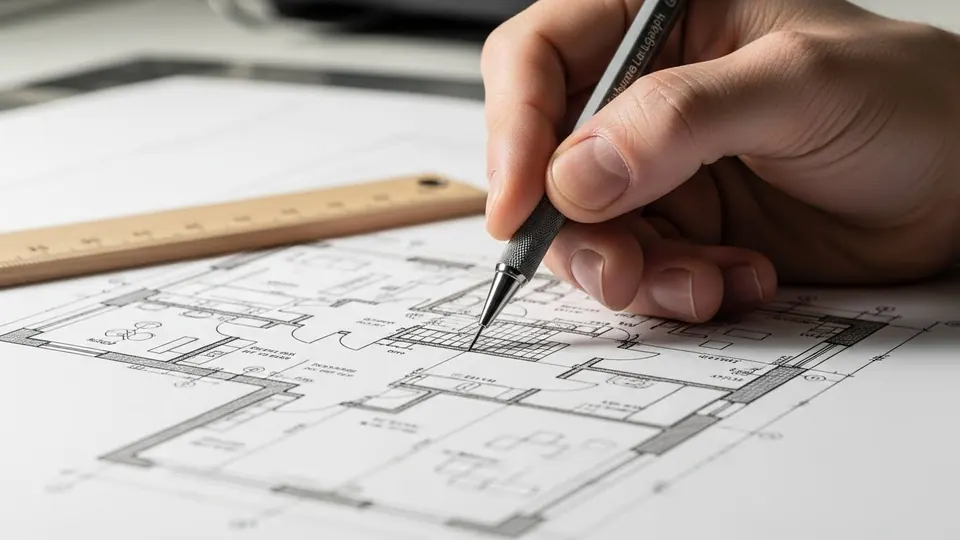
A set of well-prepared drafting plans is the foundation of a successful build. It's the instruction manual that your builder, council, and certifier rely on. Yet many homeowners make avoidable mistakes during the early planning and drafting stages that lead to delays, budget blowouts, and frustration. By understanding these common pitfalls, you can take steps to avoid them and give your project a calm, well-organised start. Here are five of the most common mistakes we see homeowners make—and how professional drafting helps you avoid them.
Mistake #1: Providing an Unclear or Incomplete Brief
A drafter can't read your mind. One of the biggest mistakes is approaching a drafter with a vague idea like "we want more space." Without a clear brief, the drafter is forced to guess your priorities, leading to concept plans that miss the mark and require multiple, time-consuming revisions. A great brief includes how you live, what you need functionally (e.g., "a fourth bedroom for our growing family," "a home office with good natural light"), your aesthetic preferences, and your absolute must-haves versus your nice-to-haves.
How to avoid it: Before your first meeting, write down your goals. Create a list, find inspiration images, and think deeply about what problems you are trying to solve with this project. A professional drafter at Zen Drafting Studio will guide you through this process, asking targeted questions to help you refine your vision into a clear, actionable brief.
Mistake #2: Not Having Key Site Information Ready
Design doesn't happen in a vacuum; it happens on your specific block of land. Failing to provide essential site information upfront is one of the most common causes of delay. A drafter cannot begin work without a proper survey plan, and not knowing about site constraints like easements or sewer lines early on can lead to a complete redesign down the track when they are discovered. This wastes both time and money.
How to avoid it: As discussed in our post on preparing for a project, invest in a proper Detail and Level Survey from a registered surveyor before you begin. Obtain a sewer diagram and a 10.7 Planning Certificate from your council. Providing these documents at the first meeting allows your drafter to design with full awareness of your site's opportunities and constraints from day one.
Mistake #3: Ignoring Local Planning Controls
Many homeowners fall in love with a design, only to discover it's not permissible under their local council's rules. Every council in Australia has its own Local Environmental Plan (LEP) and Development Control Plan (DCP) that govern things like building height, setbacks from boundaries, landscaping, and even the colour of your roof. Trying to force through a non-compliant design is a recipe for a rejected DA and a long, costly battle with council.
How to avoid it: Work with a professional who understands the importance of compliance. At Zen Drafting Studio, our process begins with a thorough review of the relevant planning controls for your property. We design your project to align with these rules, or, if pursuing a DA, we develop a clear strategy to justify any variations. Working this way gives your application a better chance of a smooth assessment.
Mistake #4: Making Major Last-Minute Changes
It's normal to refine your design, but making significant changes late in the process can have a domino effect. Moving a single wall might not seem like a big deal, but it can impact the structural engineering, the electrical layout, the window placement, and even compliance with planning controls. Late-stage changes are a primary cause of budget overruns and timeline extensions, as they require redrafting and potentially re-engaging other consultants.
How to avoid it: Take the time to be certain during the concept design phase. Visualise yourself in the space. Think about furniture placement and how you will move through the home. We can provide 3D visualisations to help you feel confident in the layout before we move to detailed drafting. This minimises the chance of costly "afterthoughts."
Mistake #5: Assuming the Cheapest Quote is the Best Value
Drafting is a professional service, and choosing on price alone can be a false economy. Poorly detailed or inaccurate plans can lead to confusion on site, mistakes by the builder, and disputes that cost far more to resolve than the initial savings on the drafting fee. The plans are a tiny fraction of your total project cost, but they have an enormous impact on the outcome.
How to avoid it: When comparing quotes, look at what is included. Does the service include support during the approval process? Are they experienced with your local council? At Zen Drafting Studio, we prepare clear, detailed and buildable plans, so fewer errors and delays reach the building site.