
How to Prepare for a Residential Drafting Project
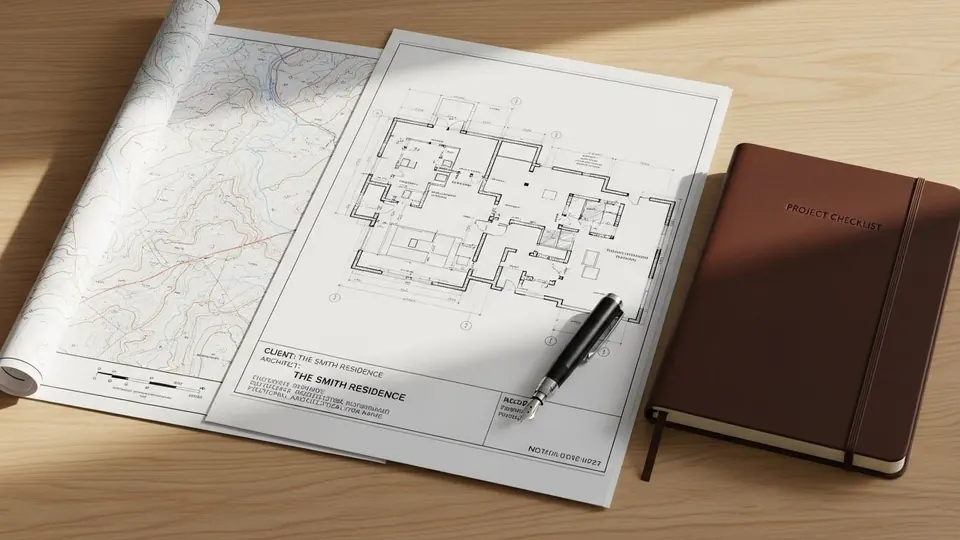
Whether it's a new home, an extension or a granny flat, a drafting project goes more smoothly when you prepare. Gathering a few documents and settling your goals before you speak to a drafter saves time, money and back-and-forth later. It also lets your drafter work accurately from the start, so the plans you take to council need fewer changes. Here is what to prepare.
Understanding Your Project Goals
The first step is to define what you want to achieve. This goes beyond simply saying "I want a new bedroom." Think about the purpose of the space, how you live, and your future needs. Are you extending to accommodate a growing family? Building a granny flat for rental income or elderly parents? Designing a new home from scratch? A clear vision provides a strong foundation for the entire project. Write down your must-haves, your nice-to-haves, and any specific features you'd like. Consider the design style you prefer—modern, traditional, coastal—and gather inspiration from magazines or websites. This initial brief is the most valuable tool you can give your drafter.
Key Site Information Your Drafter Needs
Every design starts with the site, so your drafter needs to understand it well. The more information you can provide about your site, the better. This information directly influences the design and is crucial for ensuring compliance with local regulations. Before your first meeting, try to gather the following:
- Survey Plan: This is one of the most critical documents. A recent survey plan (also known as a Detail and Level Survey) prepared by a registered surveyor shows property boundaries, dimensions, easements, existing structures, significant trees, and the topography of the land. Without this, a drafter cannot start work.
- Sewer & Drainage Diagram: A diagram from your local water authority (e.g., Sydney Water's "Sewer Service Diagram") shows the location of public sewer lines on your property. This is vital for planning new plumbing and ensuring structures are not built over mains.
- Property Title & 10.7 Certificate: A copy of your Certificate of Title and a Section 10.7 Planning Certificate (previously Section 149) from your local council provides essential information about zoning, land constraints, and applicable planning controls.
- Existing House Plans: If you are renovating or extending, any existing design or structural plans you have will help, though a drafter will still need to conduct a site measure to verify them.
Budget, Timeline, and Approvals
A realistic understanding of your budget and timeline is essential. Be upfront with your drafter about your total project budget, which should include not just construction costs but also fees for consultants (like the drafter, surveyor, and engineer), council or certifier fees, and a contingency fund for unexpected expenses (typically 10-15%). This allows the drafter to design a project that is achievable and avoids disappointment later.
Similarly, discuss your ideal timeline. Do you have a specific deadline in mind? Remember that the drafting and approval process takes time. In Australia, you will generally need either a Development Application (DA) lodged with your local council or a Complying Development Certificate (CDC) from a private certifier. A DA offers more flexibility but can take several months, while a CDC is faster but only applies to projects that strictly meet state-wide standards. Your drafter can advise on the most likely path for your project, but understanding these two main avenues is a great head start.
What to Bring to Your First Meeting
To make your first meeting as productive as possible, come prepared. The more you bring, the quicker your drafter can get a clear picture of the project. Aim to have:
- Your written brief of project goals and desired features.
- A collection of inspiration images.
- Any of the key site documents mentioned above (especially the survey plan).
- An understanding of your budget and desired timeline.
With these in hand, the conversation can move quickly from broad ideas to clear next steps, and you and your drafter start on the same page.